Blurry Vision: Treatment and Home Care
Treatment for blurry vision depends entirely on what is causing it, and only an eye exam can sort that out. Some causes are common and fixable with the right lenses, while others need prompt medical care. This page covers what eye doctors may use, habits that support everyday comfort, and what not to rely on.
- Treatment for blurry vision depends on the cause, and only an eye exam can identify it.
- Glasses or contacts correct most refractive errors, and cataract surgery is the standard treatment when cataracts interfere with daily life.
- Sudden blur, flashes, a shadow over your vision, eye pain, or stroke-like symptoms need same-day care.
- Regular eye exams, not smoking, and good general health support long-term eye health.
- Supplements are not a substitute for diagnosis; the AREDS2 formula has been studied only in people with certain stages of AMD.
Start with the cause, not the symptom
Blurry vision is a symptom, not a diagnosis. Refractive errors, which are problems with how the eye focuses light, are among the most common reasons for it[1]. Other causes include age-related changes, eye conditions, and, less often, problems that affect the brain or the blood vessels of the eye[2][3].
Because the causes range from minor to serious, guessing is risky. An eye care professional can check how clearly each eye sees, look inside the eye, and decide what is going on. Home care can add comfort, but it does not replace that exam.
Medical treatments an eye doctor may use
What a doctor recommends depends on the diagnosis. These are the main options the sources describe.
Glasses and contact lenses
Refractive errors such as nearsightedness, farsightedness, and astigmatism are usually corrected with eyeglasses or contact lenses[1]. An updated prescription is often the simplest fix for blur that has crept up over time. Age-related trouble with near focus is a separate, common issue; see presbyopia for more on that.
Refractive surgery
Some adults with refractive errors may be candidates for surgery that reshapes the cornea[1]. Whether it is a good fit depends on the eye's measurements, health, and stability. An eye surgeon can explain the benefits and risks.
Cataract care
A cataract is a clouding of the eye's lens that can blur vision. Early on, the NEI notes that stronger glasses, better lighting, or anti-glare lenses may help for a time. When cataracts interfere with daily life, surgery to replace the clouded lens with an artificial one is the standard treatment[4]. See cataracts for a fuller overview.
Macular degeneration care
Age-related macular degeneration (AMD) affects the central part of the retina. There is no cure for it, but treatments exist. For the wet form, doctors may use injections into the eye to slow the growth of abnormal blood vessels[5]. Early detection matters, so regular dilated exams are important. More background is on the macular degeneration page.
Other treatments
If the blur comes from another condition, such as surface dryness or a problem inside the eye, the treatment follows that diagnosis. Your eye doctor may prescribe drops, procedures, or a referral to another specialist.
Red flags: when not to wait
Some blurry vision needs care the same day. Sudden vision changes can signal an emergency, such as a retinal problem or a stroke[2].
Seek urgent or emergency care right away if blurry vision comes with:
- A sudden onset, or sudden loss of vision in one or both eyes
- Flashes of light, a shower of new floaters, or a curtain or shadow over part of your vision
- Eye pain, especially with redness, nausea, or halos around lights
- Weakness, facial drooping, confusion, trouble speaking, or a severe headache
- Blur after an eye injury
Do not try home remedies or wait to see if it passes. Call an eye doctor or emergency services instead.
Daily habits and home care for milder, long-standing blur
If an eye doctor has ruled out anything urgent, some habits may help with comfort. They do not fix the underlying cause.
- Wear your prescription. Use current glasses or contacts as directed. Outdated lenses are a common and easily fixed source of blur[1].
- Improve lighting. Brighter, well-placed light and anti-glare sunglasses outdoors may make things easier to see if you have early cataracts[4].
- Rest your eyes during screen work. Looking away from the screen at regular intervals, adjusting the screen position, and reducing glare may ease tiredness. See eye strain for practical tips.
- Pay attention to dryness. Surface dryness can make vision look hazy or change from moment to moment. Read more about dry eyes and ask your doctor which drops, if any, are appropriate.
- Handle contacts carefully. Follow your eye doctor's instructions on cleaning, replacing, and wearing them, and remove them and call a doctor if your eyes become red, painful, or blurry.
- Track changes. Note when the blur happens, which eye is affected, and whether it comes with other symptoms. This helps your doctor.
Prevention and long-term eye health
Not every cause of blurry vision can be prevented, but some steps support long-term eye health.
Get regular eye exams. Many eye conditions cause no early symptoms, and exams can find them before vision changes become noticeable[3]. People with diabetes, a family history of eye disease, or older adults may need exams more often. Ask your eye doctor what schedule fits you.
Avoid smoking. The NEI lists smoking as a risk factor for AMD, so quitting is one of the clearer steps within your control[5].
Protect your eyes. Wear sunglasses outdoors and protective eyewear for sports, yard work, and home projects.
Manage overall health. Conditions such as diabetes and high blood pressure can affect the eyes. Keeping them under control with your primary care provider is part of eye care.
Eat a varied, balanced diet. A healthy diet supports general health, but the sources do not show that food or supplements can fix blurry vision.
What not to rely on
Be cautious about anything that promises to clear up blurry vision on its own.
- Supplements as a substitute for an exam. Nutrients do not correct refractive errors, and they do not remove cataracts. The one area where a specific supplement formula has been studied is AMD. The NEI describes the AREDS2 formula as possibly slowing progression in people with intermediate AMD, or advanced AMD in one eye. It is not described as a treatment for people without that diagnosis[5]. Check with your eye doctor before taking it.
- Eye exercises or "vision training" claims. Refractive errors are treated with lenses or surgery[1]. The sources reviewed do not support exercises as a replacement.
- Waiting out sudden blur. Sudden changes can be an emergency[2].
- Over-the-counter reading glasses for everything. They may help with near focus in some people, but they can mask a problem that needs diagnosis.
- Leftover or borrowed eye drops. Drops that are not meant for your condition can cause harm or delay proper care.
If a product claims to cure, reverse, or restore vision, treat that as a warning sign.
Eye supplements we have reviewed
Want to compare products? Read what the research says about nutrients for blurry vision first, then compare the products below.
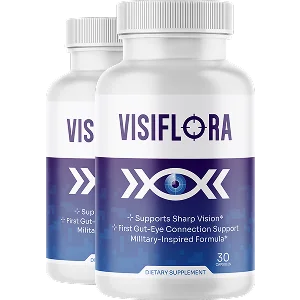
VisiFlora
Listed ingredients: Astaxanthin, Vitamin C, Vitamin E, Copper, Selenium, Chromium

TheyaVue
Listed ingredients: Lutein, Zeaxanthin, Vitamin C, Calcium, Vitamin E, Bilberry Extract

Vision 20
Listed ingredients: Lutein, Zeaxanthin, Zinc, Beta-carotene, Lycopene, Rose Hips

iGenics
Listed ingredients: Ginkgo biloba, AREDS-2 formula ingredients (not itemized), Bilberry, Saffron, Turmeric + BioPerine
Frequently asked questions
Can blurry vision go away on its own?
Sometimes brief blur from tired eyes or dryness eases with rest. Blur that is sudden, keeps coming back, or lasts should be checked by an eye doctor, since some causes need treatment[2].
Will new glasses fix my blurry vision?
They may, if a refractive error is the cause, since glasses and contacts are the usual correction[1]. If the blur comes from something else, such as a cataract or retinal problem, lenses alone may not be enough, which is why an exam matters.
Do vitamins or eye supplements improve blurry vision?
The sources reviewed do not show that supplements correct blurry vision in general. The AREDS2 formula was studied for people with intermediate or advanced AMD in one eye[5]. Ask your eye doctor whether it applies to you.
When is blurry vision an emergency?
Seek care right away if blur starts suddenly, or comes with flashes, new floaters, a shadow over your vision, eye pain, or stroke-like symptoms such as weakness or trouble speaking[2]. Do not wait for it to pass.