Nutrients and Supplements for Blurry Vision: What the Research Shows
Blurry vision has many causes, and most are not related to nutrition. Supplements have research behind them for only one narrow eye condition, and even there the findings apply to specific people. This page explains which nutrients have been studied, what the studies did and did not show, and how to judge an eye supplement label.
- Blurry vision has many causes, and most, such as refractive errors, cataracts, and dry eyes, are not fixed by supplements.
- Sudden blurry vision, eye pain, a shadow over vision, or stroke signs need same-day or emergency care.
- The best-studied nutrient combination (AREDS2-style) applies to people with intermediate AMD, not to healthy eyes in general.
- High-dose zinc, vitamin E, and beta-carotene carry real risks, so ask a clinician before starting.
- A comprehensive eye exam finds the cause. A supplement label cannot.
Find the cause first: nutrition rarely explains blurry vision
Blurry vision is a symptom, not a diagnosis. Common causes include refractive errors, cataracts, dry eyes, and age-related macular degeneration, and some causes are emergencies[1]. MedlinePlus also lists refractive errors and presbyopia among the usual vision problems that can blur sight[2].
Refractive errors are the most common reason. They happen when the eye does not bend light correctly, and they are corrected with eyeglasses, contact lenses, or sometimes surgery[3]. No supplement changes the shape of the eye or the focusing of light. A comprehensive eye exam is how these problems are found[3].
Red flags that need same-day care
Sudden blurry vision should not be treated with a supplement or a wait-and-see approach. The American Academy of Ophthalmology describes some causes of blurry vision as emergencies[1]. Seek urgent or emergency care if blurry vision:
- Comes on suddenly
- Appears with eye pain, a headache, or a curtain or shadow across the vision
- Appears with weakness, trouble speaking, or other signs of a stroke
- Follows an eye injury
A doctor can sort out which cause is behind it. Anyone unsure should call an eye doctor or emergency services rather than guess.
The nutrients with real research: the AREDS and AREDS2 formulas
The strongest research on eye nutrients concerns age-related macular degeneration (AMD), not blurry vision in general. The National Eye Institute describes a nutrient combination from the Age-Related Eye Disease Studies (AREDS and AREDS2) that may lower the chance of intermediate AMD progressing to the late stage[4].
The AREDS2 formulation, as described by the National Eye Institute, contains these nutrients[4]:
- Vitamin C (500 mg)
- Vitamin E (400 IU)
- Zinc (80 mg)
- Copper (2 mg)
- Lutein (10 mg)
- Zeaxanthin (2 mg)
Copper is included because high-dose zinc can interfere with copper levels[4].
What this does and does not mean
The benefit was seen in people who already had intermediate AMD or advanced AMD in one eye. It is not shown for people with healthy eyes, and it does not restore vision that has already been lost[4]. For readers with a macular problem, the next step is a diagnosis and a plan from an eye doctor. More background is on the macular degeneration page.
If blurry vision is the first sign of a macular problem, the formula is not a substitute for an exam. AMD can affect central vision, and it needs professional monitoring[4].
What the research did not show
Many eye supplements are marketed for "clear vision" or "sharper focus." The sources reviewed do not support those claims for most causes of blurry vision.
- Refractive errors. These are corrected with lenses or surgery[3]. The source describes no nutrient that fixes them.
- Presbyopia. This age-related loss of near focus is managed with glasses or other optical correction[2]. Evidence for a nutrient fix is lacking. See the presbyopia page for more.
- Cataracts. Surgery is the treatment once a cataract interferes with daily life[5]. Evidence that vitamins or other supplements prevent or slow cataracts is limited. Readers can find more on the cataracts page.
- Dry eyes and eye strain. Dryness is a listed cause of blurry vision[1]. Nutrient evidence for these is mixed or limited, so the dry eyes and eye strain pages focus on practical care and exams.
The AREDS2 findings also should not be stretched. Results in people with intermediate AMD do not show that the same nutrients help anyone else.
Food sources of eye-related nutrients
Food comes first, because a varied diet supplies these nutrients along with many others. The National Eye Institute's AMD guidance includes eating a healthy diet as part of looking after eye health[4].
General food sources, based on standard nutrition knowledge, include:
- Lutein and zeaxanthin: spinach, kale, collard greens, and other dark leafy vegetables, plus eggs and corn.
- Vitamin C: citrus fruit, peppers, strawberries, and broccoli.
- Vitamin E: nuts, seeds, and plant oils.
- Zinc: shellfish, beans, meat, and seeds.
- Copper: shellfish, nuts, seeds, and whole grains.
A diet rich in these foods is a reasonable habit. It is not a treatment for blurry vision, and no food replaces an eye exam. Anyone with diabetes, high blood pressure, or other conditions should also remember that blurry vision can be linked to how well those conditions are controlled, so regular checkups matter.
Doses and safety
More is not better. The AREDS2 amounts above are the amounts studied in a specific group, and they are not a general daily target for everyone[4].
- Zinc. The studied dose is high, 80 mg[4]. Zinc at that level can reduce copper and cause stomach upset. A doctor should guide its use.
- Beta-carotene. The original AREDS formula contained it, but the National Eye Institute notes that beta-carotene raises lung cancer risk in smokers and former smokers[4]. AREDS2 replaced it with lutein and zeaxanthin.
- Vitamin E. The studied amount is high. Anyone taking blood thinners or planning surgery should ask a clinician first.
- Herbal extras. Ingredients such as ginkgo can interact with medicines, including blood thinners. The sources reviewed do not show that they help blurry vision, so weigh any use with a pharmacist or doctor.
Pregnant or nursing readers, children, and people taking prescription medicines should check with a clinician before starting any supplement. Tell the eye doctor about every supplement taken, since it belongs in the medical history.
How to judge an eye supplement label
Labels can look scientific while saying very little. These checks help.
Match the formula to a real finding
The only combination with major research support is the AREDS2-style formula for intermediate AMD[4]. A product that lists those nutrients at those amounts is closer to what was studied. A product with a long list of extras is not backed by the same research. Many products do not itemize their ingredients, which makes it impossible to compare them with the studied formula.
Look at the amounts
Check whether the label gives an exact amount for each ingredient. Watch for "proprietary blends" that hide doses. Compare amounts with the studied amounts, and note whether they are far above or far below.
Watch the claims
Be cautious of any label or ad that says it cures blurry vision, reverses eye disease, or replaces glasses or surgery. Nutrients do not do that, and vision lost to disease is not restored by supplements[4]. Claims like "clinically proven" with no named study are also a warning sign.
Check who it is for
The research applies to people with specific AMD findings. If no eye doctor has said that applies, the formula may add cost and risk without a known benefit. Ask an eye doctor whether a supplement fits your situation, and keep up with eye exams, since they find the causes of blurry vision that pills cannot treat[3].
Eye supplements we have reviewed
These are the 4 eye-health supplements we have reviewed on HealthSupplements.best. None of them is proven to treat or prevent blurry vision; talk to your eye doctor before starting any supplement, especially if you take other medicines.
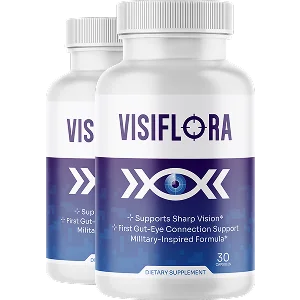
VisiFlora
Vitamin C, vitamin E, and copper overlap with the AREDS2-style nutrients studied for intermediate AMD, but the label lacks lutein and zeaxanthin, and no eye-specific amounts are confirmed here. Astaxanthin, grape seed extract, rutin, quercetin, taurine, alpha lipoic acid, ginkgo, coleus, eyebright, selenium, and chromium have no good evidence for blurry vision in the sources reviewed.
Listed ingredients: Astaxanthin, Vitamin C, Vitamin E, Copper, Selenium, Chromium
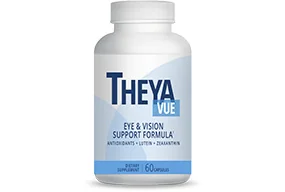
TheyaVue
Lutein, zeaxanthin, vitamin C, vitamin E, and zinc overlap with the AREDS2-style nutrients studied for intermediate AMD, though the listing does not include copper and amounts should be compared with the studied ones. Bilberry, rutin, and calcium have no good evidence for blurry vision in the sources reviewed.
Listed ingredients: Lutein, Zeaxanthin, Vitamin C, Calcium, Vitamin E, Bilberry Extract
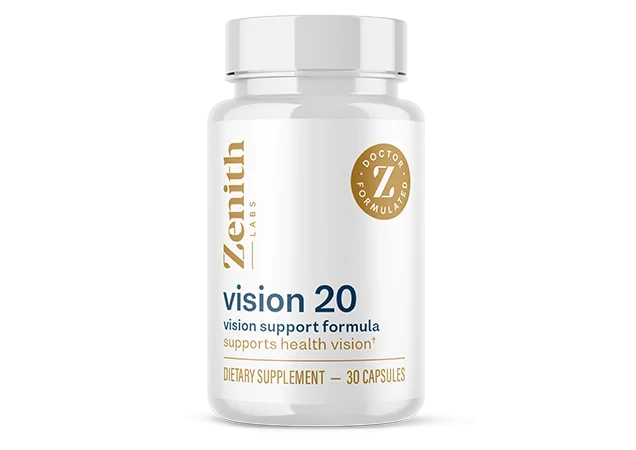
Vision 20
Lutein, zeaxanthin, and zinc relate to nutrients studied for intermediate AMD, but it also lists beta-carotene, which raises lung cancer risk in smokers and former smokers. Lycopene, rose hips, vitamin A, taurine, grape seed extract, and bilberry have no good evidence for blurry vision in the sources reviewed.
Listed ingredients: Lutein, Zeaxanthin, Zinc, Beta-carotene, Lycopene, Rose Hips
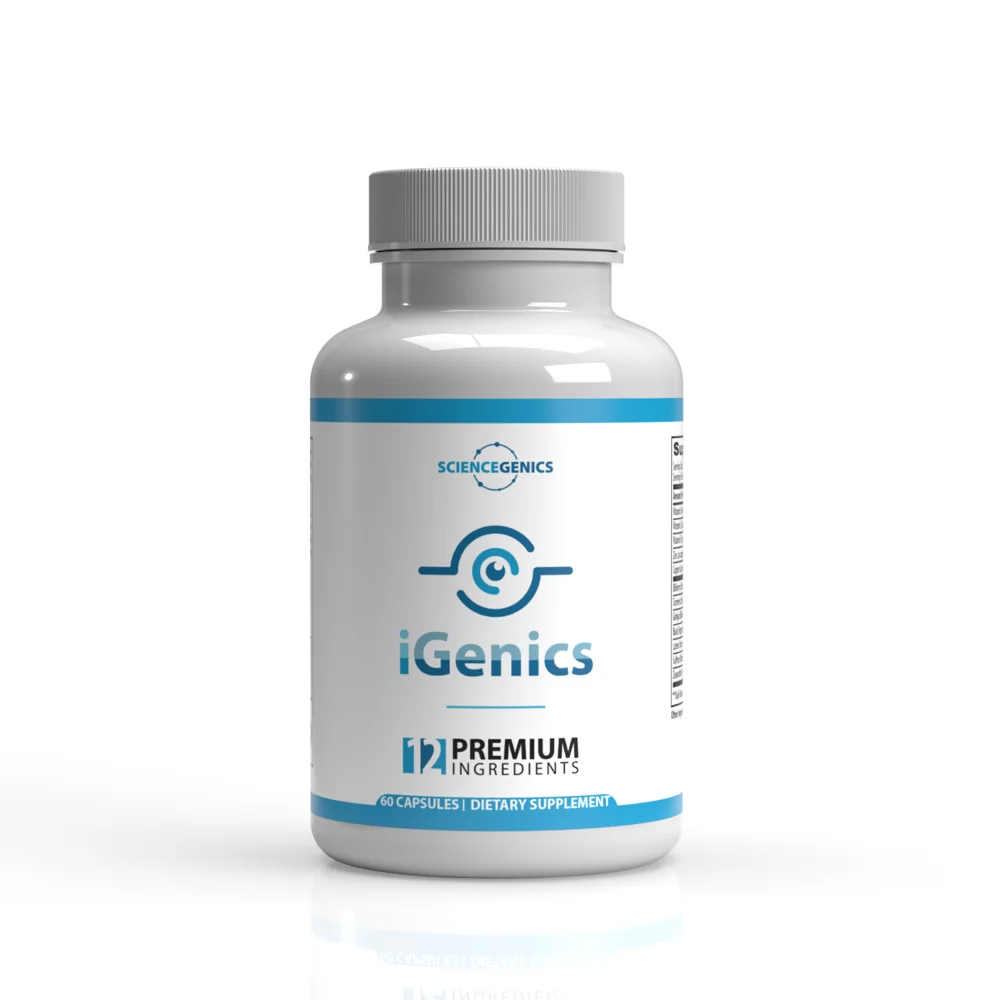
iGenics
The label mentions an AREDS-2 formula without itemizing the ingredients, so it cannot be compared with the studied amounts. Ginkgo, bilberry, saffron, and turmeric with BioPerine have no good evidence for blurry vision in the sources reviewed.
Listed ingredients: Ginkgo biloba, AREDS-2 formula ingredients (not itemized), Bilberry, Saffron, Turmeric + BioPerine
Frequently asked questions
Can a supplement fix blurry vision?
Not in general. Common causes such as refractive errors are corrected with glasses, contacts, or surgery, and cataracts are treated with surgery when needed[3][5]. An eye exam is needed to find the cause.
Do lutein and zeaxanthin help with blurry vision?
They were studied as part of the AREDS2 formula for people with intermediate AMD, where the combination may lower the chance of progressing to late AMD[4]. That does not show they help blurry vision from other causes.
When is blurry vision an emergency?
Sudden blurry vision, especially with eye pain, a shadow or curtain in the vision, an injury, or signs of a stroke, needs urgent care[1]. Do not wait to see if a supplement helps.
Is it safe to take an eye supplement every day?
It depends on the ingredients, doses, and your health and medicines. High-dose zinc and vitamin E, and beta-carotene in smokers, carry known concerns[4]. A doctor or pharmacist can review the label with you.