Blurry Vision: Causes, Warning Signs and What to Do
Blurry vision means objects look out of focus, hazy, or lacking sharp detail. Sometimes the cause is simple, such as a glasses prescription that needs updating. Other times it signals an eye or health problem that needs prompt care. This overview explains the common causes, the red flags, who is at risk, and the limited role of nutrition.
- Blurry vision is a symptom with many causes, and refractive error is among the most common[1].
- Sudden vision loss, eye pain, flashes, a dark curtain, or stroke signs with blurry vision need same-day or emergency care[2].
- Cataracts and AMD can blur vision and become more common with age[3][4].
- A comprehensive eye exam is the way to find the cause, since some eye conditions give few early symptoms[5].
- Nutrition has limited evidence for blurry vision overall; the best-studied use is in intermediate AMD[4].
What blurry vision is
Blurry vision is a loss of sharpness in what a person sees. It can affect one eye or both, and it can be constant or come and go. It may affect distance vision, near vision, or both[2].
Blurry vision is a symptom, not a diagnosis. Many different conditions can cause it, and only an eye exam can tell which one is responsible[5]. That is why the pattern matters: how fast it started, which eye is involved, and whether other symptoms came with it.
Some blurriness is mild and stable. Some is sudden and serious. Telling the two apart is the most important step, and the red flags section below explains how.
How blurry vision happens
For clear vision, the eye must bend (refract) incoming light so it lands precisely on the retina at the back of the eye. Blur can develop when anything along that path is off: the surface of the eye, the lens, the shape of the eye, the retina, or the nerve and brain pathways that carry the signal[2].
Refractive errors
Refractive errors are the most common reason for blurry vision. They occur when the eye does not bend light correctly, which includes nearsightedness, farsightedness, and astigmatism[1]. They are usually corrected with glasses or contact lenses, and sometimes with surgery[1].
Age-related focusing changes
After around middle age, many people find small print harder to read up close. This is called presbyopia, and it is a normal change in the eye's focusing ability rather than a disease[5].
Surface and use-related causes
Problems with the eye's surface can blur vision, and tears are part of that. Dry eyes are one example, and blur from this cause often changes with blinking[2]. Long stretches of close work or screen time may cause eye strain, which can include blurred vision along with tired eyes[5].
Eye diseases that can blur vision
Some causes involve changes inside the eye that tend to develop with age.
Cataracts. A cataract is a clouding of the eye's lens. Vision can become cloudy or blurry as it progresses[3]. Cataracts are common in older adults, and surgery is the main treatment when they interfere with daily life[3].
Age-related macular degeneration (AMD). AMD affects the macula, the part of the retina responsible for sharp central vision. It can cause blurred central vision and difficulty seeing fine detail[4]. Learn more about macular degeneration and why regular exams matter.
Other conditions can also blur vision, including problems linked to diabetes and other health conditions, and issues with the retina or optic nerve[5]. An eye doctor can sort out which applies.
Red flags: when blurry vision needs same-day care
Most blurry vision is not an emergency, but some patterns are. Get urgent or same-day medical care if blurry vision comes with any of the following[2][5]:
- Sudden vision loss or a sudden, major change in vision
- Eye pain, especially with redness, nausea, or seeing halos around lights
- Flashes of light, a sudden shower of new floaters, or a dark curtain or shadow over part of the vision
- Blurry vision after an eye injury or chemical exposure
- Signs of a stroke, such as face drooping, weakness, trouble speaking, severe headache, or confusion
Call emergency services for stroke symptoms. For the other signs, contact an eye doctor right away or go to an emergency department. Waiting to see whether it passes can risk permanent vision damage.
No supplement or home remedy is a substitute for urgent evaluation.
Who is at risk and why eye exams matter
Anyone can have blurry vision, but some groups are more likely to be affected. Age is a major factor: cataracts and AMD become more common as people get older[3][4]. Refractive errors can appear at any age, including childhood[1].
Other situations that can raise the chance of vision changes include diabetes and other chronic health conditions, a past eye injury, and long hours of screen or close work[5].
A comprehensive eye exam can find the cause of blur, update a prescription, and detect disease early. Some eye conditions cause few symptoms at first, so a person may not notice a problem until it has advanced[5]. Anyone with new or lasting blur should book an exam. Those with risk factors should ask their eye doctor how often to be checked.
Bring a list of medicines and health conditions to the visit. Describe when the blur started, whether it affects one eye or both, and what makes it better or worse.
Nutrition and supplements: a short preview
A balanced diet supports overall health, including eye health. But nutrition is not a fix for most causes of blurry vision. Refractive errors, for example, are corrected with lenses or surgery, not with vitamins[1]. Cataracts that interfere with daily life are managed with surgery[3].
The strongest research on supplements relates to one condition. A specific nutrient formula was studied in people with intermediate AMD, and it was looked at for its effect on the risk of the disease progressing[4]. That does not mean supplements treat blurry vision in general, and evidence for other causes is limited. Anyone with AMD should ask an eye doctor whether such a formula is appropriate for them.
Supplements can also interact with medicines or may not suit everyone. Check with a doctor or pharmacist before starting one. For a closer look at ingredients and the evidence, see the supplements page on this site.
Eye supplements we have reviewed
Want to compare products? Read what the research says about nutrients for blurry vision first, then compare the products below.
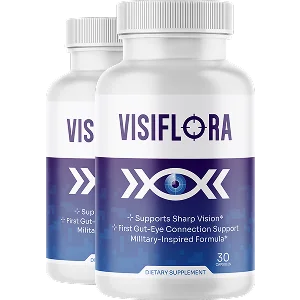
VisiFlora
Vitamin C, vitamin E, copper, and selenium are listed, and vitamins C and E and copper are part of the nutrient mix studied in AMD, though the evidence there is for that condition rather than blurry vision in general. For the other listed ingredients, including astaxanthin, ginkgo, eyebright, and taurine, there is no good evidence in these sources that they help blurry vision.
Listed ingredients: Astaxanthin, Vitamin C, Vitamin E, Copper, Selenium, Chromium

TheyaVue
Lutein, zeaxanthin, zinc, vitamin C, and vitamin E are listed, and these nutrients relate to the formulas studied in intermediate AMD. That evidence does not show they relieve blurry vision from other causes such as refractive error. Bilberry and rutin have no good evidence in these sources for blurry vision.
Listed ingredients: Lutein, Zeaxanthin, Vitamin C, Calcium, Vitamin E, Bilberry Extract

Vision 20
Lutein, zeaxanthin, and zinc are listed and relate to nutrients studied in intermediate AMD, which is a narrow use. They do not correct refractive blur or cataracts. For beta-carotene, lycopene, taurine, grape seed extract, and bilberry, these sources show no good evidence for blurry vision.
Listed ingredients: Lutein, Zeaxanthin, Zinc, Beta-carotene, Lycopene, Rose Hips

iGenics
The label mentions an AREDS-2 type formula, which relates to the nutrient approach studied in intermediate AMD, but the ingredients are not itemized, so the amounts cannot be judged. Ginkgo biloba, bilberry, saffron, and turmeric have no good evidence in these sources for treating blurry vision. Anyone with AMD should ask an eye doctor first.
Listed ingredients: Ginkgo biloba, AREDS-2 formula ingredients (not itemized), Bilberry, Saffron, Turmeric + BioPerine
Frequently asked questions
Is blurry vision always serious?
No. It is often caused by a refractive error that glasses or contacts can correct[1]. However, sudden blur, eye pain, flashes, or other red flags need urgent care[2].
Can blurry vision come from eye strain or dry eyes?
Yes. Long periods of close work or screen use may cause eye strain with blurred vision, and dry eyes can also blur vision[5][2]. If it keeps happening, an eye exam can check for other causes.
Can supplements fix blurry vision?
Supplements are not a fix for most causes of blurry vision. Glasses, contacts, or surgery address refractive errors and cataracts[1][3]. A specific nutrient formula was studied in intermediate AMD, so ask an eye doctor before taking any[4].
How often should I get an eye exam?
The right schedule depends on age, health, and risk factors, so ask an eye doctor. Exams matter because some eye conditions cause few early symptoms[5]. See a doctor sooner if vision changes.